Ultimately, classical education is not about producing students who can merely repeat the correct answers. It is about forming young people who know how to pursue truth.
Classical education is sometimes described as an old method of teaching, but its purpose is anything but outdated. At its heart, classical education teaches students how to think, not simply what to think. It aims beyond memorizing enough information to pass a test. The goal is to form thoughtful, articulate, lifelong learners who seek truth, recognize beauty, and use knowledge wisely.
Before students can defend an idea, they must first understand what their words mean. Classical education encourages them to slow down, define their terms, ask good questions, and examine assumptions. What do we mean by justice, freedom, truth, evidence, or even success? Students learn that strong opinions are not the same as strong arguments. They should be able to state what they believe, explain why they believe it, and support their conclusions through clear writing and respectful conversation.
The Trivium
Classical learning uses the trivium: grammar, logic, and rhetoric. These stages loosely follow development, but grade ranges are only guides. The grammar stage is associated with elementary school, kindergarten through sixth grade. Children build vocabulary, learn facts, observe patterns, and establish foundational knowledge. The logic stage develops during middle school, seventh through ninth grade, when students begin asking why, noticing inconsistencies, and connecting ideas. The rhetoric stage is associated with high school, tenth through twelfth grade, as students learn to express and defend their conclusions clearly, persuasively, and responsibly.
However, children do not move through these stages on a rigid timetable. A student may use rhetoric in history, need grammar foundations in mathematics, and develop logic in science. This flexibility is a great benefit of homeschooling. Parents can meet children where they are, support forming foundations, and challenge them when they are ready to advance. Students remain engaged without being pushed into material before they are prepared or held back when they are ready for more.
The Quadrivium
The quadrivium includes arithmetic, geometry, music, and astronomy. Unlike the trivium, it is not a second set of developmental grade levels. These disciplines build upon the tools of learning and train students to recognize number, pattern, proportion, harmony, space, and movement. Together, the trivium and quadrivium help students discover order and connections throughout God’s creation.
Worldviews
Classical education is supported within a biblical worldview. We believe that truth ultimately belongs to God and that every subject gives us another opportunity to study His world more carefully. A biblical worldview does not require us to hide students from competing ideas. In fact, students need a broad vocabulary and an honest understanding of other worldviews if they are going to recognize differences, test claims, and thoughtfully defend their faith.
This does not mean every classroom conversation ends with everyone holding the same opinion. It does mean students should learn to disagree with clarity, humility, and reason. We want them to stand firmly when conviction is warranted, while remaining willing to listen, define, question, and correct their thinking when evidence reveals an error. Seeking truth requires both courage and teachability.
Parents Are Primary Educators
Parents are the primary educators of their children. Instructors are not intended to replace that responsibility or take ownership of a family’s homeschool. Instead, we provide structure, subject knowledge, accountability, feedback, and guidance. We help families navigate curriculum, organize assignments, deepen classroom discussions, and identify areas where a student may need additional practice or encouragement.
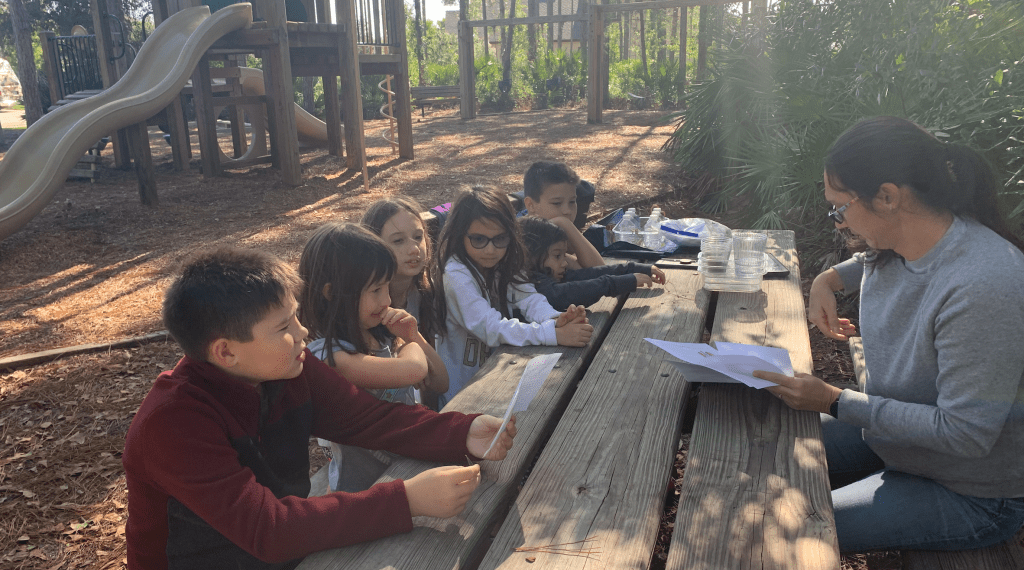
My role as an instructor is therefore both academic and supportive. I introduce material, ask questions, challenge shallow answers, and help students communicate what they know. I also partner with parents by providing clear expectations and useful direction for continued learning at home. The classroom is one part of the educational journey, not the whole of it.
Ultimately, classical education is not about producing students who can merely repeat the correct answers. It is about forming young people who know how to pursue truth, test ideas, recognize what is good, and express their conclusions with wisdom. Those abilities will serve them long after a particular course ends. Whether they are writing a research paper, discussing a difficult issue, choosing a career, serving their church, or leading their own families, they will carry a well-stocked toolbox for learning.
That is why we teach classically. We are preparing students not only for the next assignment, but for a lifetime of thoughtful learning, faithful reasoning, and purposeful communication.


Leave a comment